A Montana Rancher (1939)
Arthur Rothstein, one of the most prominent photographers of the Farm Security Administration (FSA), captured this image of a Montana rancher in 1939. The photograph stands as a powerful document of American agricultural life during a period of significant economic and environmental challenge.
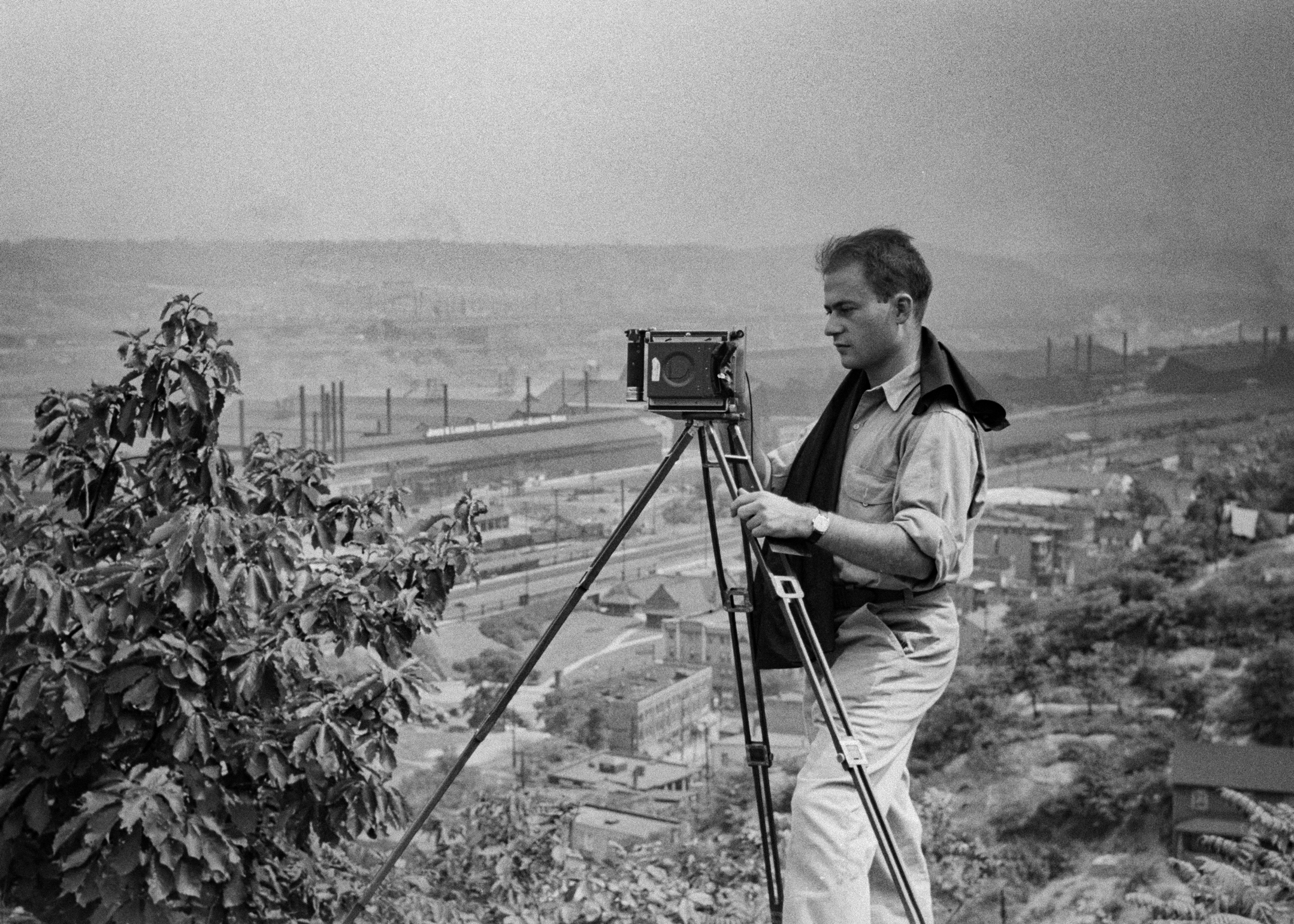
The FSA photography project, led by Roy Stryker, aimed to document the lives of rural Americans during the Great Depression and the Dust Bowl years. Rothstein's work, along with that of photographers like Dorothea Lange and Walker Evans, created an indelible visual record of this era.
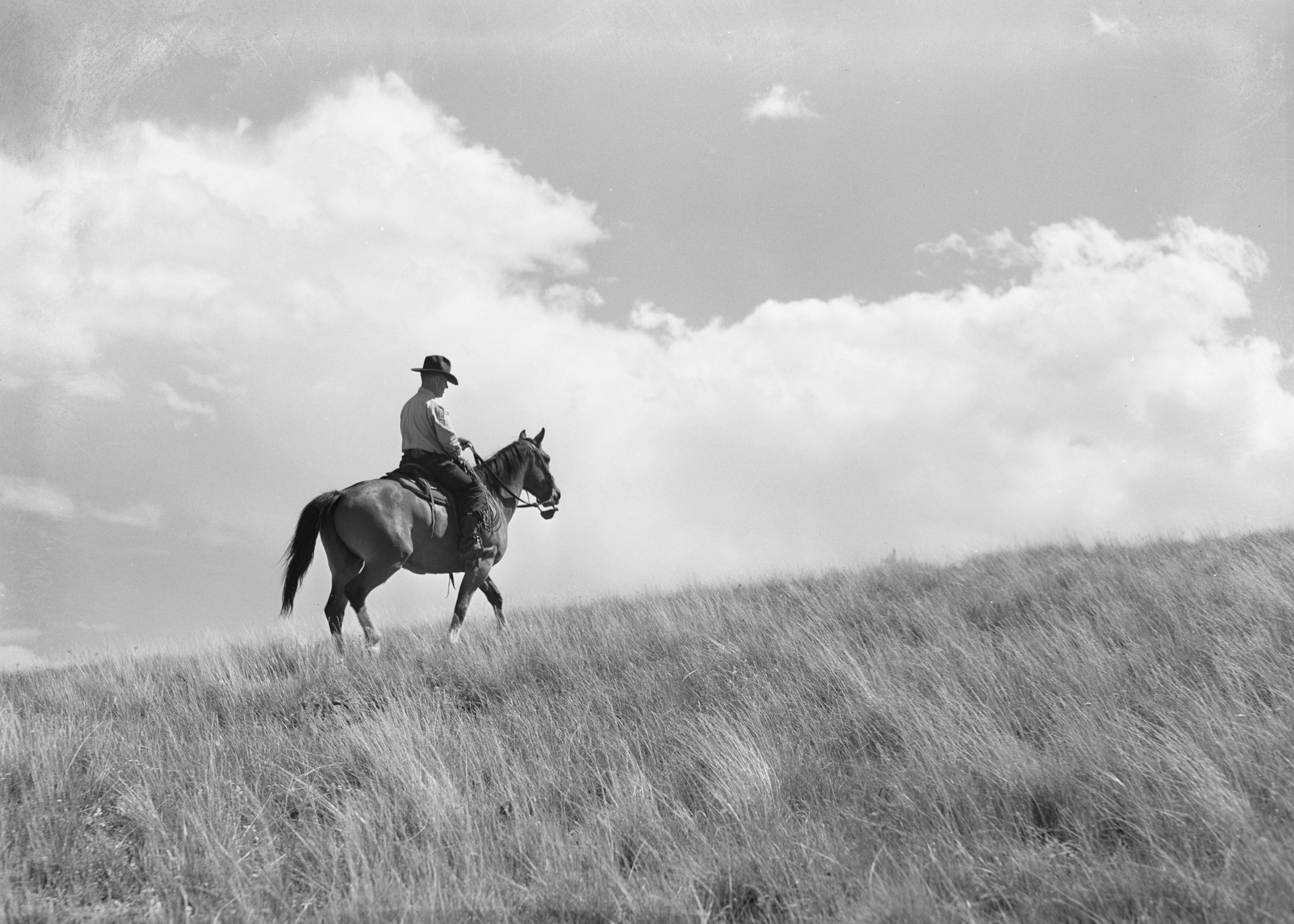
Ranching in Montana has a deep and complex history, shaped by the expansion of the American West, the displacement of Indigenous peoples, and the development of cattle culture that would come to define much of the region's identity.
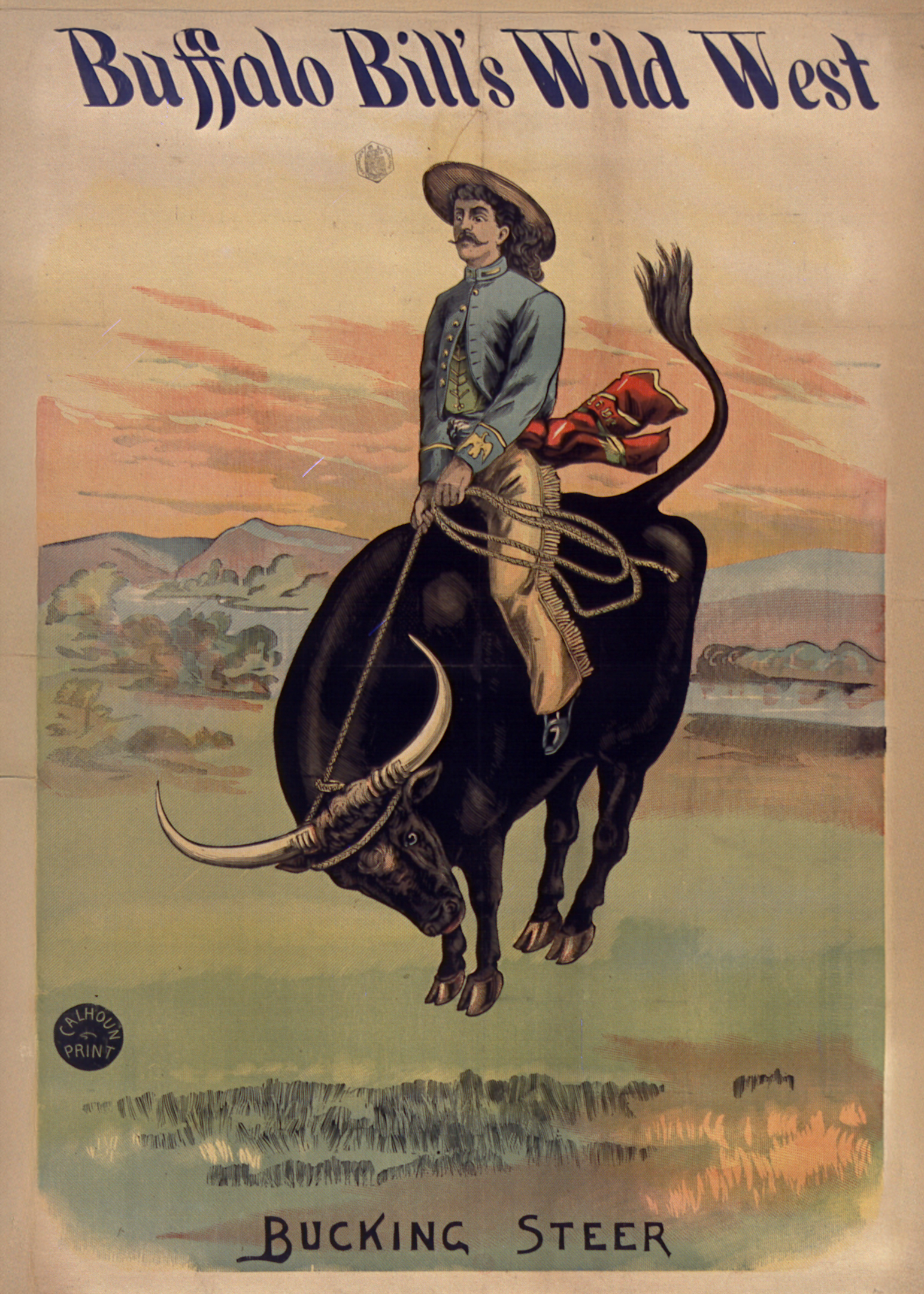
The image captures not just a moment in time, but a way of life that has persisted and evolved over generations. The rancher in Rothstein's photograph represents countless individuals who have worked the land, raising livestock and contributing to the agricultural economy of the American West.
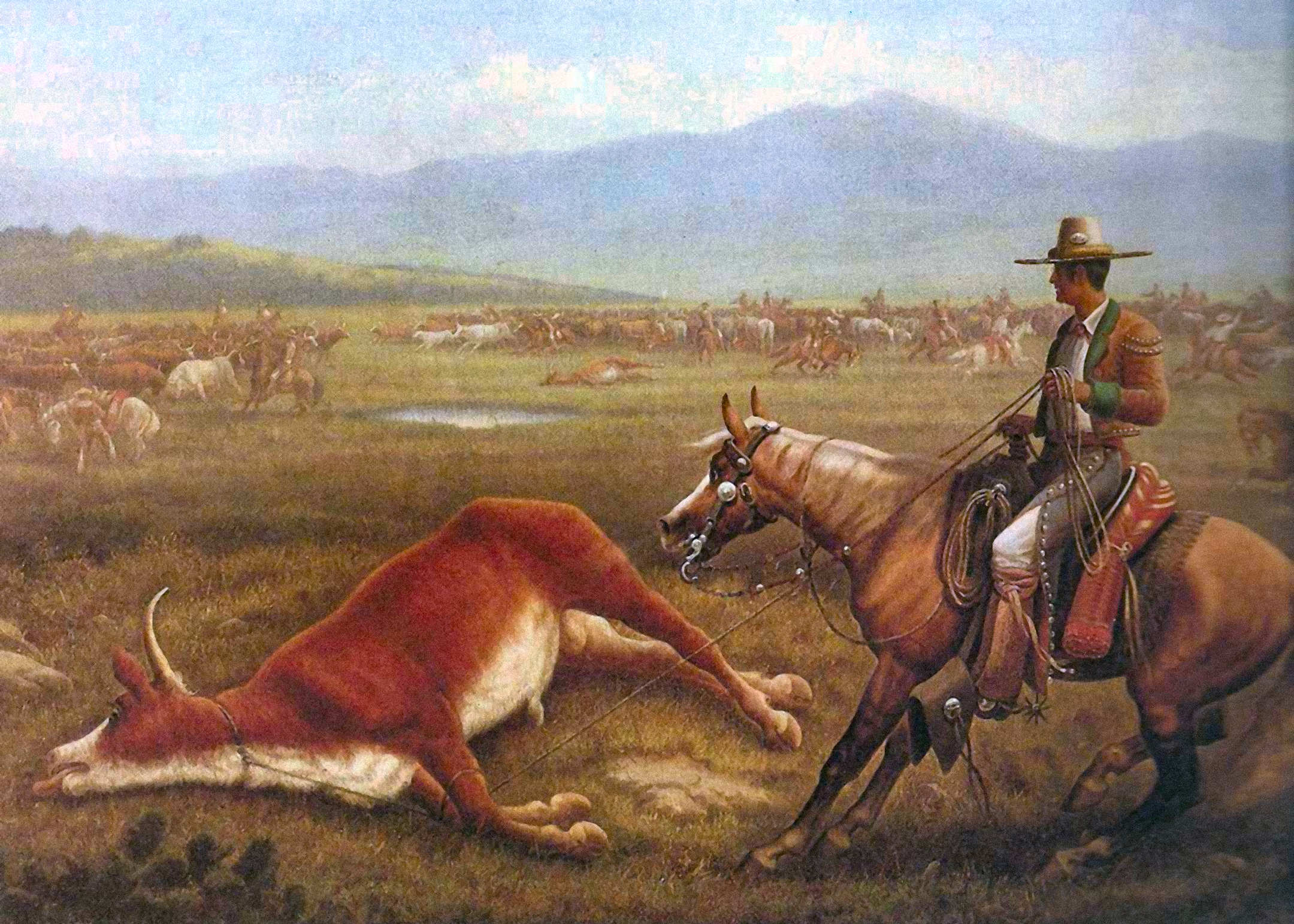
This photograph, like many from the FSA collection, serves multiple purposes: it is at once a work of art, a historical document, and a testament to the resilience of rural communities.
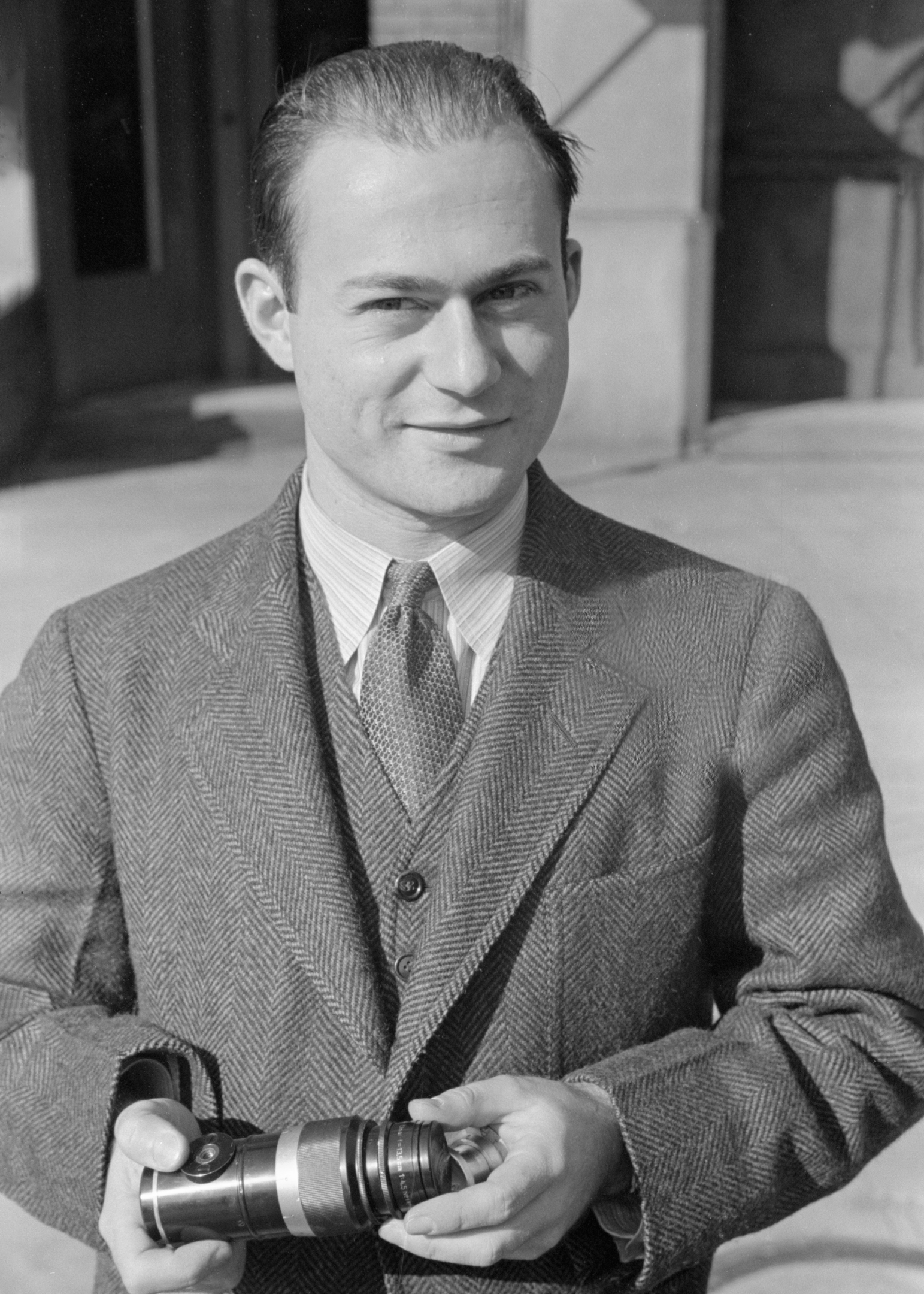
The cultural significance of ranching extends far beyond its economic function. It has shaped American mythology, literature, and identity, creating archetypes that continue to resonate in popular culture.
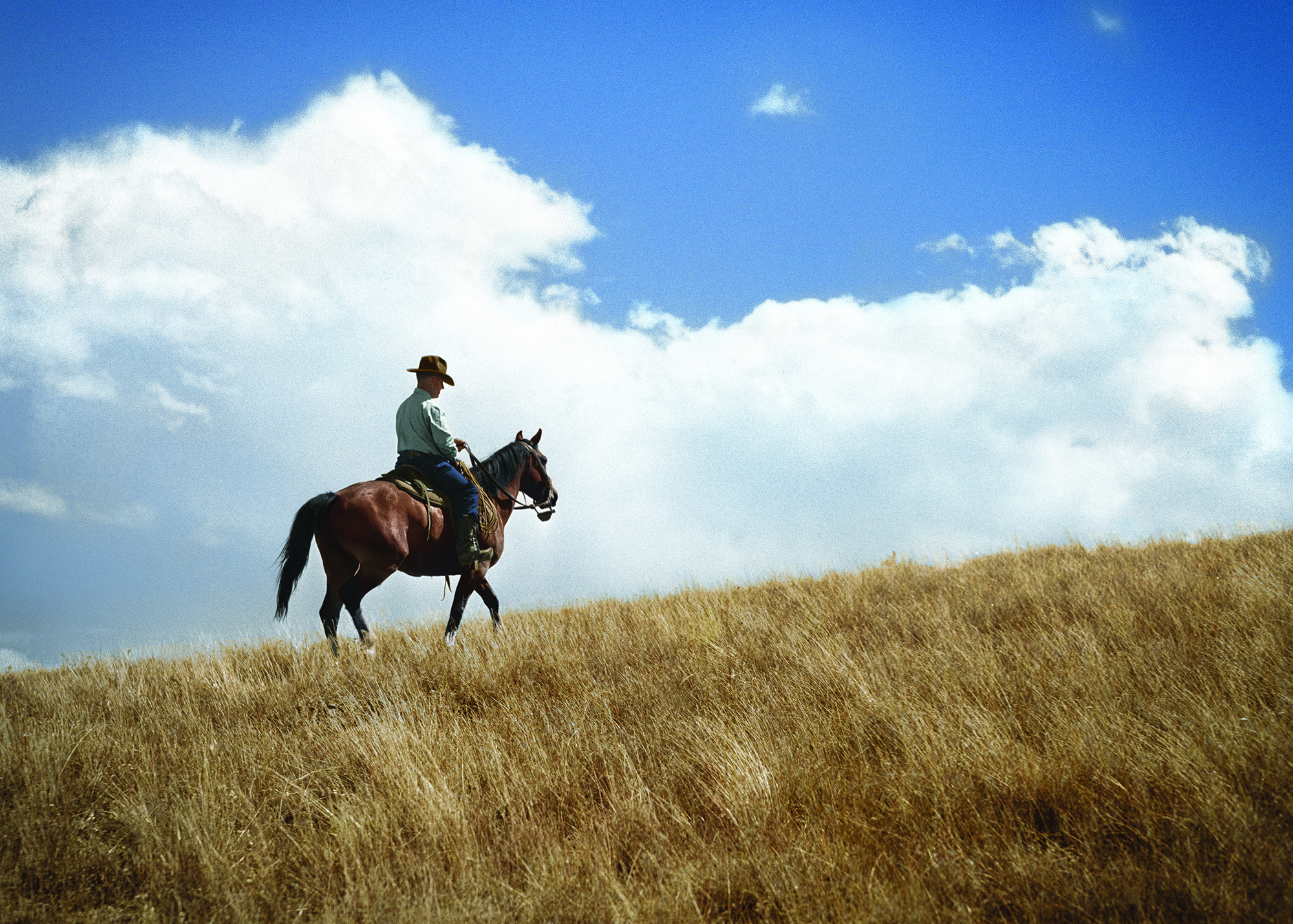
Through Rothstein's lens, we see not just a rancher, but a symbol of American perseverance, independence, and connection to the land—themes that remain relevant as we continue to grapple with questions of agriculture, environment, and rural life in the 21st century.
Add a comment: